
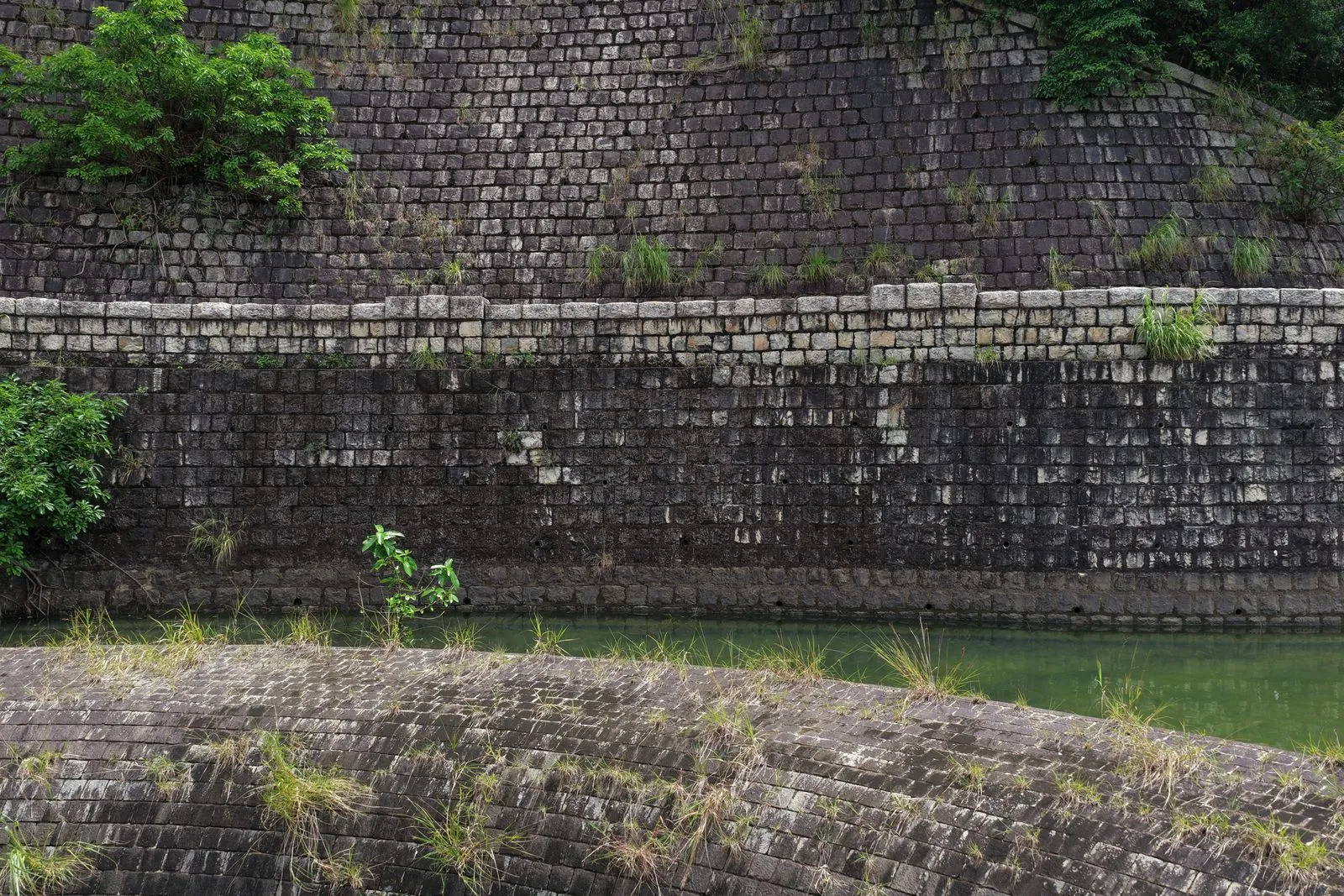
A retaining wall holds back soil, but it also faces pressure from water that collects behind it. After rain or snowmelt, saturated soil can push harder against the wall, while poor drainage may lead to shifting, bulging, or damage over time. Before construction, ask how the design will move water away from the wall and where that water will go. A few clear questions can help you understand the plan and spot drainage needs specific to your property.
How Water Strains a Wall
Soil can hold water after heavy rain, snowmelt, or changes to nearby irrigation. When water cannot drain away, it adds pressure behind the wall. The force can contribute to leaning, cracking, bulging, or movement, especially if the wall’s design and foundation do not account for site conditions.
Water can also carry fine soil particles through openings or joints. Over time, this may leave voids behind the wall or cause material to wash out at the base. Freeze-thaw cycles can add another challenge in cold climates: water that enters small gaps may freeze, expand, and put stress on masonry.
Drainage Details to Discuss
Ask what drainage layer will sit behind the wall and how it will be separated from the surrounding soil. A free-draining aggregate can help water move downward instead of building up against the wall. A suitable filter fabric may help keep soil from mixing into that aggregate, though the right materials depend on the design and site.
Discuss whether the plan includes a perforated drain pipe, where it will be placed, and how it will carry water to a safe outlet. Ask how the outlet will remain clear and whether water could flow toward a foundation, walkway, neighboring property, or area prone to erosion. Drainage needs to work as a complete route, not just a pipe behind the wall.
Plan for the Whole Site
Surface water matters too. Ask how the finished grade will direct rain and snowmelt away from the wall, and whether nearby downspouts, paved areas, or slopes could send extra water toward it. If water currently pools in the area, point that out before design decisions are final.
Share relevant site details, such as wet spots, existing drains, irrigation lines, and changes in slope. Ask whether the proposed wall needs engineering or permits based on its height, location, or local requirements. A contractor can assess the conditions and explain how the drainage approach fits the wall’s construction.
Know What to Maintain
Before work starts, ask what parts of the drainage system will be visible and how you can check them later. Keep outlets clear of leaves, mulch, and soil, and watch for water that stops flowing or begins to erode the discharge area. Avoid directing new downspouts or irrigation toward the wall without reviewing the drainage plan.
After storms, look for new pooling, persistent damp areas, soil loss, or changes in the wall’s alignment. These signs do not identify a cause on their own, but they are useful to document and share with a masonry professional. Prompt attention can help determine whether the issue is drainage, movement, or another site condition.
Good drainage is part of a retaining wall’s design, not an afterthought. Before construction, ask how water will be collected, filtered, and carried to a safe outlet, and how surface grading will support that plan. Granite Shore Masonry can discuss drainage considerations for a retaining wall project in Portsmouth; contact a local professional to review your site.